
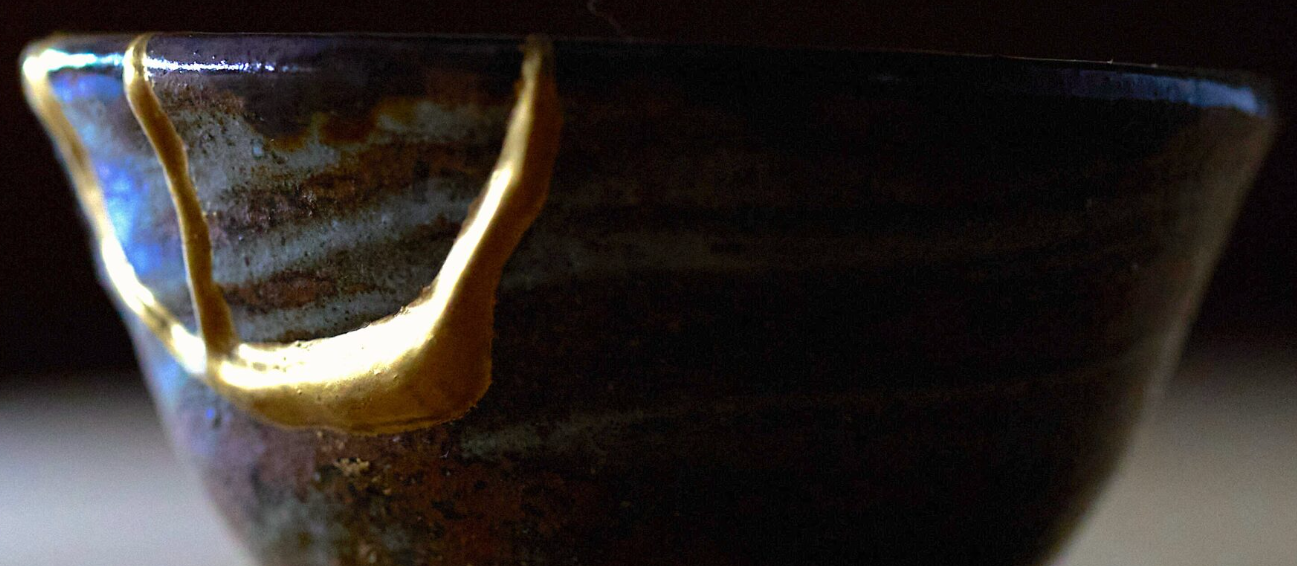
The Kintsugi workshops in the Netherlands in spring 2026.
開 催 日:2026年5月23日(土)~25日(月)
23 May ~ 25 May, 2026
開催都市:ハーグ、アムステルダム、ハーレムの3都市にて
The Hague, Amsterdam, Haarlem
参加者数:合計32名
32 people
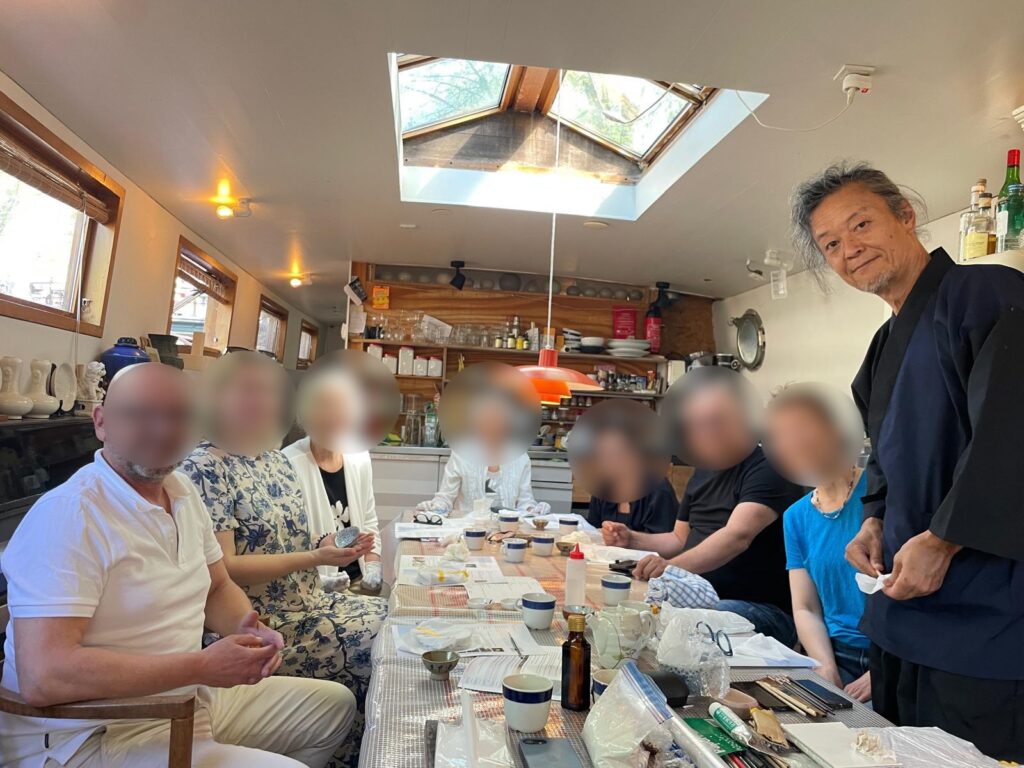
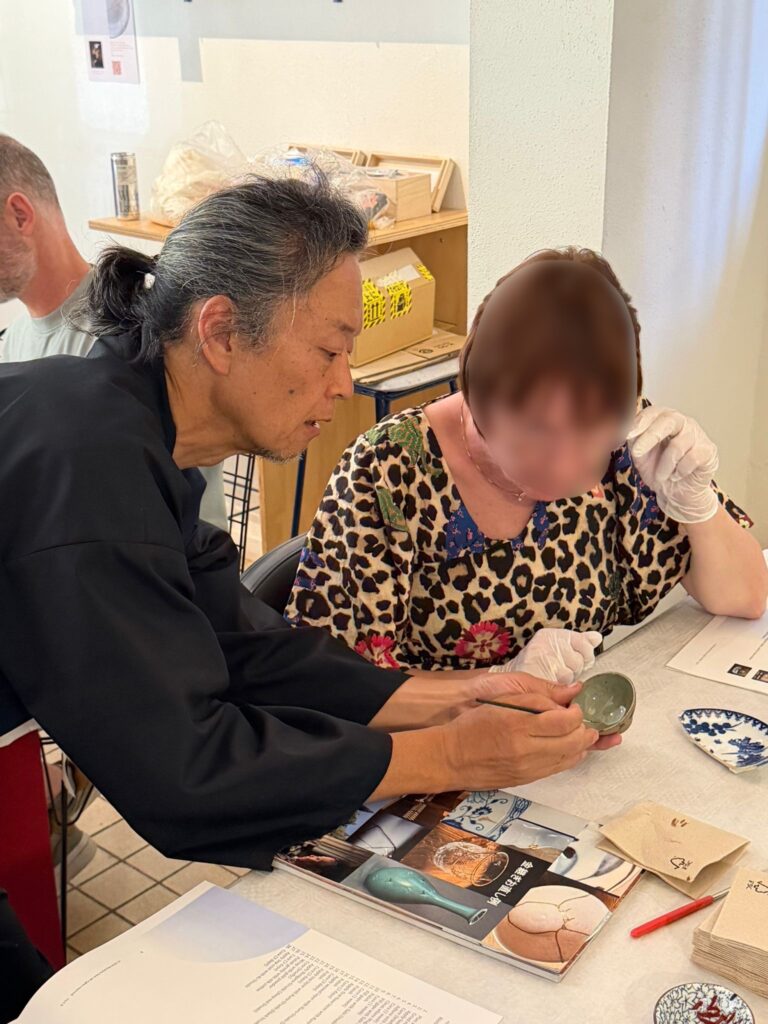
参加されたみなさんは、日本文化に関心が高く、金継ぎの技法やその背景にある思想についてもご興味をいただきました。
ワークショップでは、割れた器を麦漆で接着する工程とすでに黒漆を塗り終えた器に金を蒔く工程の二つを体験していただきました。
The participants showed a strong interest in Japanese culture and were particularly interested in the Kintsugi technique and the philosophy behind it.In the workshop, they experienced two processes: bonding broken pottery with wheat lacquer and applying gold to pottery that had already been coated with black lacquer.
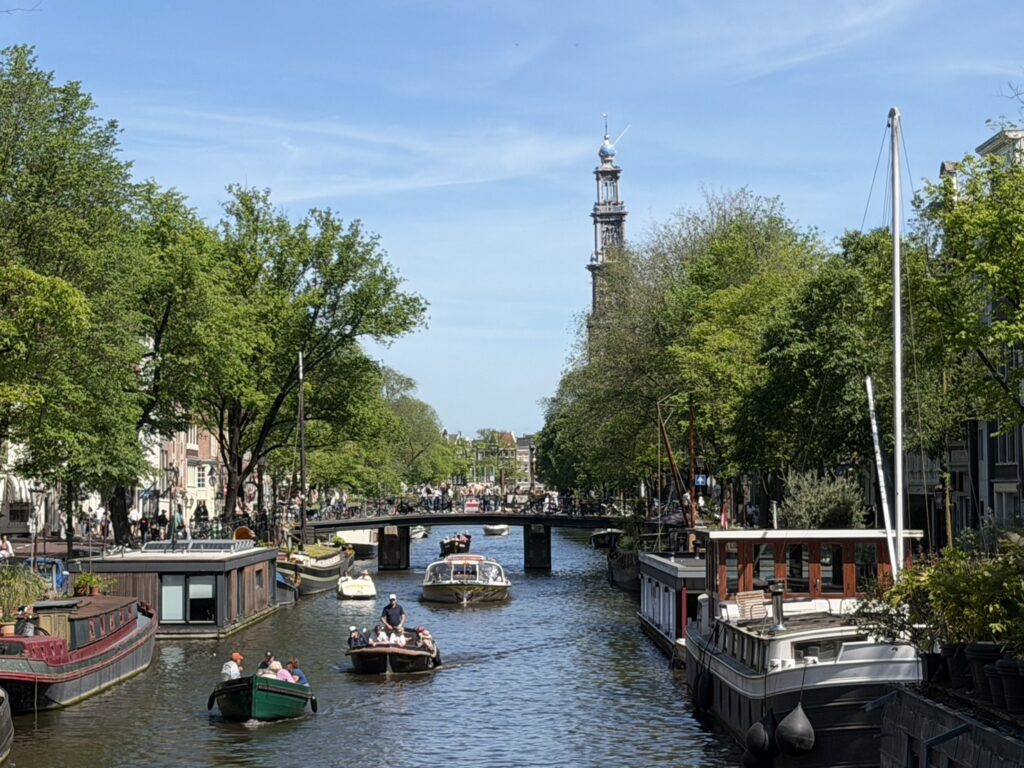
400年ほど昔、中国の景徳鎮から欧州に輸入されていた陶磁器が、明(みん)の滅亡によって途絶え、代わりに伊万里焼きがもたらされました。当時、日本は鎖国されており、オランダだけが日本と貿易を許されてきたことから、伊万里焼きはオランダに運ばれ、そこから欧州各国に広まったそうです。白地に青い絵柄は、当時、欧州の人々に大変好まれ、オランダのデルフト焼きが白地に青い絵柄となったのも、その影響だと言われています。それから100年ほど経て、ドイツのマイセンで白磁(白い下地の磁器)の製造法が解明され、欧州で初めて白磁が作られるようになりました。現在、マイセンのブルーオニオン(白地に青色で玉葱が描かれている図案)が有名ですが、その図案は中国から輸入された白磁に描かれていた柘榴を模したものだそうです。当時、欧州では柘榴は馴染みのない果実だったため、玉葱だと勘違いしたという説があります。
金継ぎは、日本で戦国武将に茶の湯の文化が広まり、抹茶椀を直す技法として発達しました。伊万里焼きの輸出が盛んになったのは、そのすぐ後でした。伊万里焼きとともに、日本の文化が欧州に伝わった地であるオランダで、今回、金継ぎワークショップを開催したことは、ただの偶然ではないのかもしれない、と思ったりもします。
About 400 years ago, porcelain imported from Jingdezhen in China to Europe ceased after the fall of the Ming Dynasty, and Imari ware was introduced in its place. At that time, Japan was isolated from the rest of the world, and only the Netherlands was allowed to trade with Japan. As a result, Imari ware was transported to the Netherlands and spread from there to various European countries. The blue patterns on a white background were very popular with Europeans at the time, and it is said that this influenced the adoption of blue patterns on a white background in Delftware from the Netherlands. About 100 years later, the method for manufacturing white porcelain (porcelain with a white base) was discovered in Meissen, Germany, and white porcelain began to be produced in Europe for the first time. Currently, Meissen’s Blue Onion (a design of onions in blue on a white background) is famous, but it is said that this design was modeled after pomegranates that were depicted on white porcelain imported from China. At the time, pomegranates were an unfamiliar fruit in Europe, so there is a theory that they were mistaken for onions.
Kintsugi developed in Japan as a technique for repairing matcha bowls when the culture of the tea ceremony spread among warlords during the Sengoku period. The export of Imari porcelain flourished shortly afterward. I can’t help but think that holding this kintsugi workshop in the Netherlands, a place where Japanese culture spread to Europe along with Imari porcelain, might not be mere coincidence.