
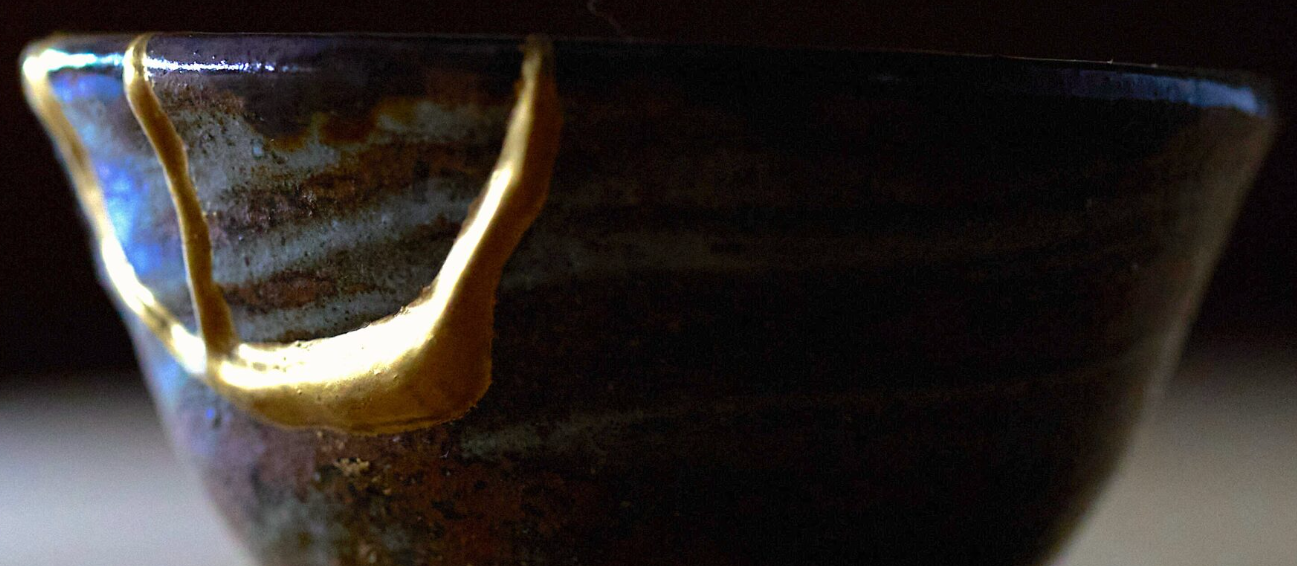
Price: €200
Shipping fees will be charged separately.
1. Tools & Equipment
- Fine detail brushes (small)
- Flat brushes
- Art knife
- Surface plate / flat working board
- Large spatula
- Small spatulas
- Bamboo skewers
- Diamond file (half-round)
- Carbide-tipped marking needle
- Masking tape
- Waterproof sandpaper (#1000 / #2000)
- Melamine sponge
- Cotton swabs (regular and fine tip)
- Silk wadding (mawata) in resealable storage bags
- Sample bottles / glass vials
- Small ceramic tray
2. Lacquer & Related Materials
- Raw urushi lacquer (Japanese, premium quality)
- Black urushi lacquer
- Bengara (red iron oxide) urushi lacquer
- Nuri-tate nashiji urushi lacquer【Complimentary】
- Tonoko powder (clay powder for base layer)
- Gofun (white shell powder pigment)
- Charcoal powder
- Animal glue (nikawa)
- Filter paper
- Japanese paper
- Wheat flour【Not included. Please prepare it yourself】
3. Metal Powders & Decorative Materials
- Brass powder
- Tin powder
- Shell flakes (decorative)
4. Oils & Solvents
- Pure camellia oil
- Turpentine oil (artist grade)
- Finishing compound (polishing) with cotton tissue
5. Containers & Accessories
- Screw-cap glass vials
- Plastic sample bottles
- Small containers for liquids
- Oil applicators
Important Safety Information About Natural Urushi Lacquer
Urushi (natural Japanese lacquer) is made from the sap of the lacquer tree.
It can cause skin irritation or allergic reactions in some people, similar to poison ivy.
Key Safety Points
- Always wear nitrile gloves when handling urushi
- Avoid direct contact with skin, eyes, and mouth
- Do not touch your face during the workshop
- Wash hands thoroughly with soap after the session
- If irritation occurs, stop work immediately and inform the instructor
Who Should Avoid Handling Urushi
- Participants with known lacquer, poison ivy, or severe plant allergies
- Those with sensitive skin conditions
- Pregnant participants (as a precaution)
Alternative materials or observation-only participation can be arranged if needed.
Tool Safety
- Art knives and needles are sharp — handle carefully
- Cut away from your body and hands
- Store tools safely when not in use
Ventilation & Solvents
- Turpentine oil and polishing compounds should be used in a well-ventilated area
- Avoid inhaling vapors directly
- Keep containers closed when not in use
Food Safety Notice
- Repaired objects are not food-safe immediately
- Traditional urushi requires long curing time
- Finished pieces should be used for food only after full curing and instructor approval
Final Notes for Participants
Kintsugi is not about perfection.
It is about patience, care, and respect for broken things.
Please take your time, work gently, and enjoy the process.
Contact & Order
Instructor: Masafumi Imai
Email: masafumiimai@gmail.com
Option Metal Powders
【Not include. Please order separately if necessary.】
- Pure gold powder (keshi-fun=fine powder)
- Pure silver powder (round)